
Insights
what is membrane-free electrolysis?
The challenge
One major challenge remains: cost
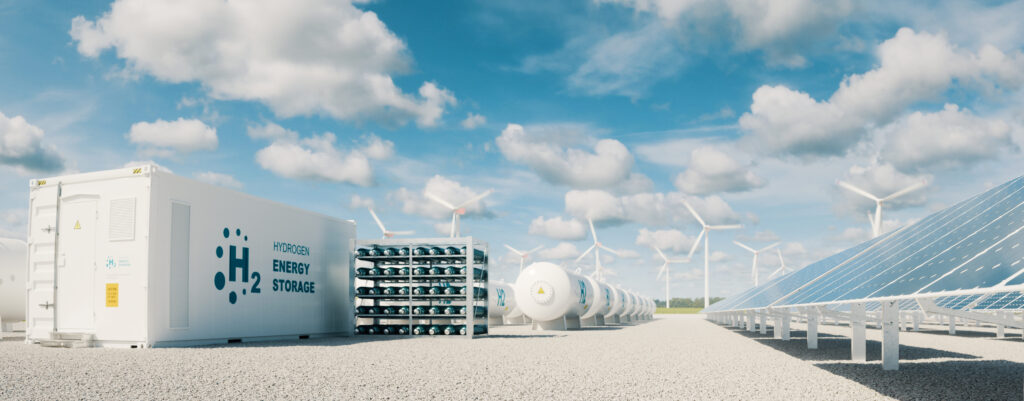
Green hydrogen is widely seen as an essential component of the energy transition.
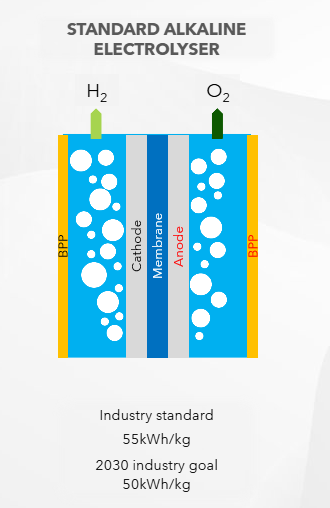
Most electrolyser technologies rely on a membrane, that is the cell in which electricity splits water into hydrogen and oxygen. While effective, membranes introduce several challenges. They increase system complexity, add material costs, degrade over time, and can limit operational flexibility.

The next step in alkaline electrolysis
Current electrolysers are inefficient, expensive and inflexible
Electrolysers produce hydrogen by using electricity to split water into hydrogen and oxygen.
Conventional systems rely on a thin membrane to keep these gases separated, preventing potentially hazardous mixing. While effective, membranes are costly, susceptible to degradation, and often a source of operational issues. They also introduce electrical resistance, reducing efficiency and increasing the amount of electricity required to produce hydrogen.
The solution
Membrane-free electrolysis offers a different approach.
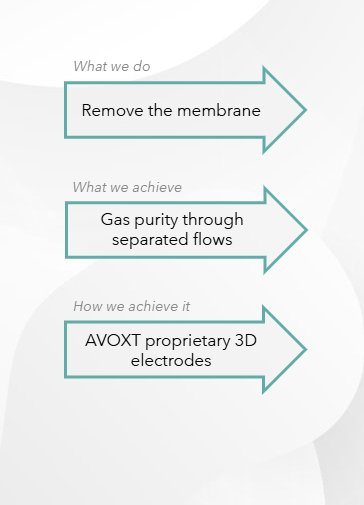
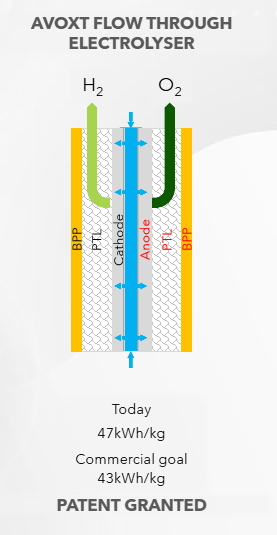
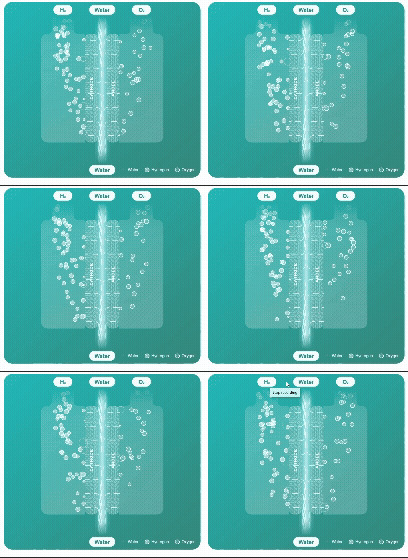
In conventional electrolysers, a membrane separates hydrogen and oxygen gases. AVOXT developed a technology that makes this membrane unnecessary. Liquid flows carry hydrogen and oxygen away separately, directly from the cell.
This removes a vulnerable component from the system and reduces internal resistance. The electrolyser can also respond quickly to the fluctuating availability of solar and wind energy.
~40%
According to AVOXT, the technology can reduce green hydrogen production costs by around 40 per cent compared with conventional alkaline electrolysers.
The technology
How Does Membrane-Free Electrolysis Work?
By eliminating the membrane, AVOXT removes both a potential safety concern and one of the system’s most vulnerable components. The result is a membrane-free electrolyser. Instead of relying on a membrane to keep the gases apart, hydrogen and oxygen are generated in separate parts of the system. Because the gases never meet, a membrane is no longer needed. Read more
This approach can reduce the number of components while maintaining effective gas separation. The result is a system architecture that may offer:
- Lower manufacturing costs
- Reduced maintenance
- Higher durability
- Improved operational flexibility
Our ambition
Why Does It Matter?
AVOXT’s ambition is clear:
Make green hydrogen affordable and scalable enough to accelerate the energy transition.
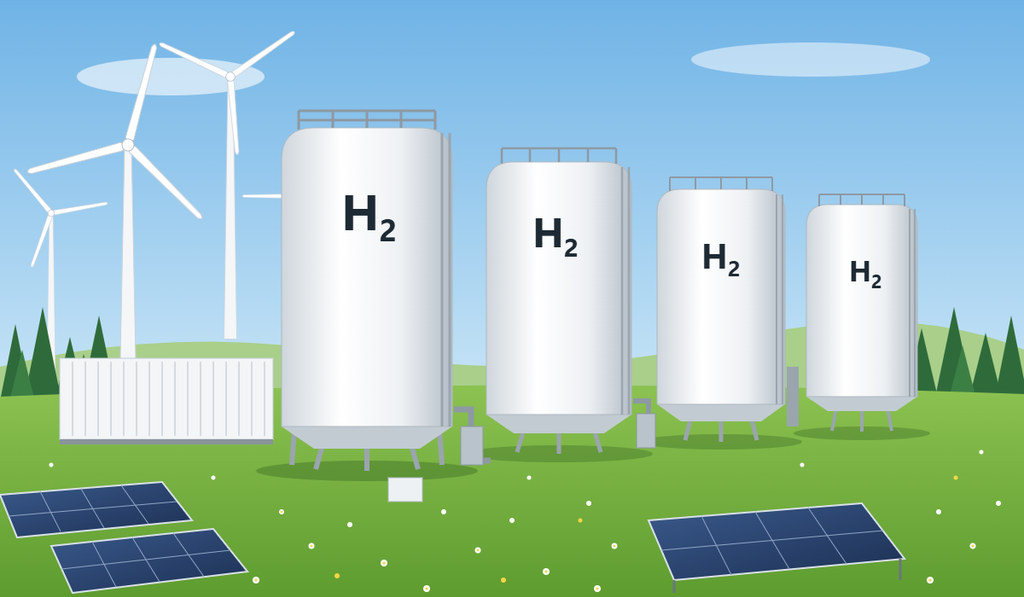
Green hydrogen has enormous potential, not only because it can significantly reduce CO₂ emissions, but also because it can be stored and transported, unlike electricity. This allows it to act as a buffer for the power grid, helping to relieve grid congestion and maintain a reliable energy supply when generation from wind and solar fluctuates.
By dramatically reducing production costs, membrane-free electrolysis could enable green hydrogen to compete directly with conventional grey hydrogen for the first time.
Looking ahead
The Future of Hydrogen Production
Membrane-free electrolysis is one of the emerging approaches that aims to deliver exactly that. As the hydrogen economy grows, new electrolyser technologies will be required to improve efficiency, reduce costs, and accelerate deployment.